

A double chin can linger no matter how hard you diet. We explain why it happens and the treatments that actually remove it for good.
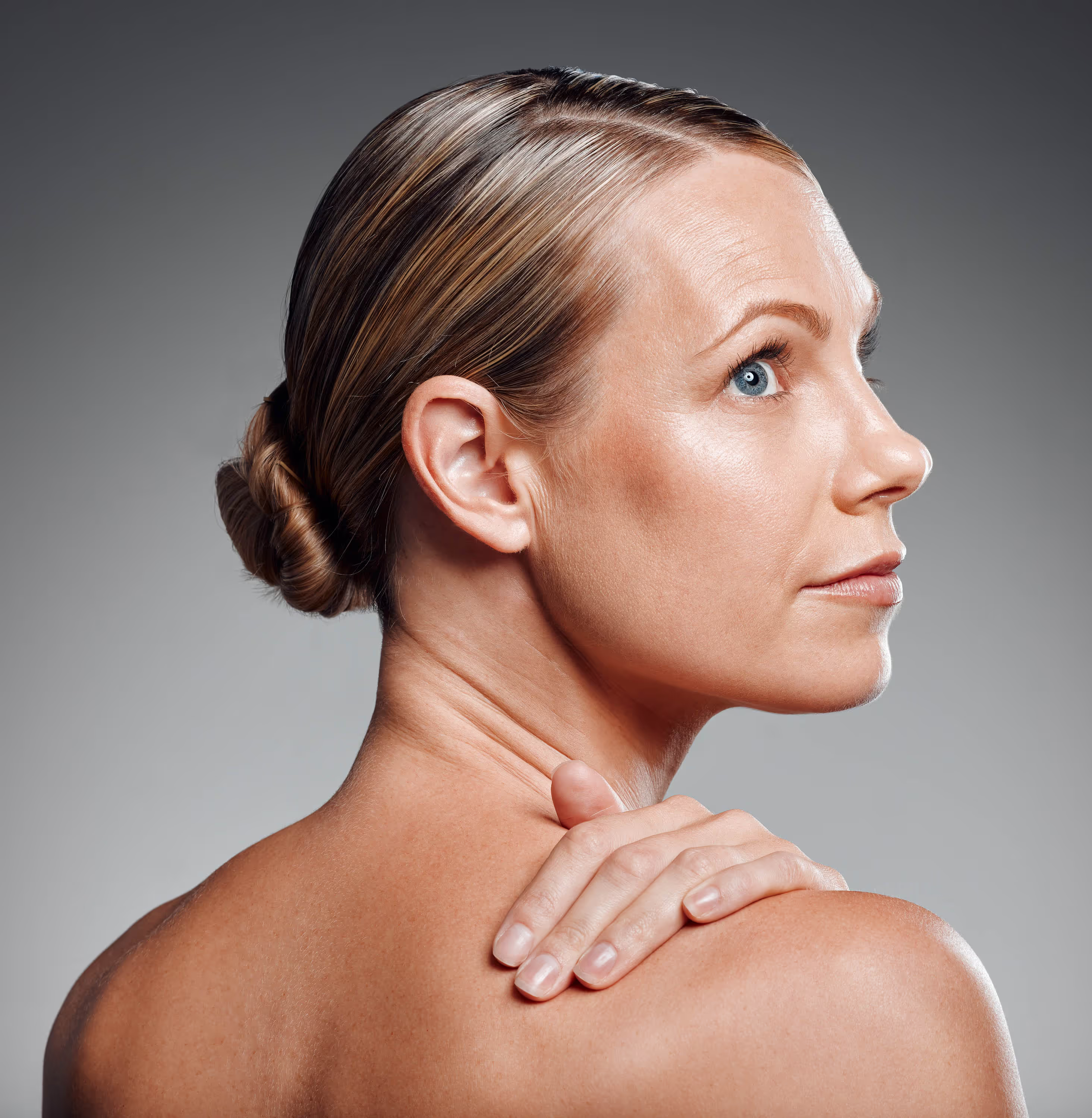
TLDR: A double chin, medically called submental fullness, is usually caused by genetics, weight, aging, or all three, which is why diet and exercise often cannot touch it. The most definitive fix is chin and neck liposuction, a roughly one-hour procedure that permanently removes the fat cells. When loose skin or neck banding is part of the picture, a neck lift addresses what liposuction alone cannot. Here is how to tell which situation is yours.
In keeping with how we write everything, here is the disclosure. We published this because the double chin might be the single most common concern that walks through our St. Paul door, and we want the people searching for answers in the Twin Cities to land on a page that explains it honestly instead of selling them a gadget. So let's answer the question directly. You likely have a double chin because of some mix of four factors, and which factors are yours determines what will actually fix it.
For many people, submental fullness is simply inherited. If your parent carried fullness under the chin at a healthy weight, there is a good chance your anatomy stores fat there too, and no amount of discipline changes where your body prefers to keep it. Patients tell us some version of "I have had this since high school" almost every week, and they are usually right.
Overall body fat contributes for some people, and meaningful weight loss can reduce a double chin. But the submental area is famously stubborn, often the first place fat appears and the last place it leaves, which is why plenty of people reach a healthy weight with the fullness fully intact.
With age, skin under the jaw loosens and the platysma muscle in the neck can separate into visible bands. What reads as a double chin in the mirror is sometimes less about fat and more about drape, a distinction that completely changes the treatment plan, and one we explore in our companion article on turkey neck.
A recessed chin or small jawbone gives skin and fat less scaffolding to stretch across, making even modest fullness prominent. For these patients, chin augmentation alongside fat removal can transform the entire profile.

Honestly, no. Chin exercises, jawline tools, and firming creams do not remove submental fat, because no cream reaches fat and no exercise spot-reduces it. The American Society of Plastic Surgeons is clear that localized fat deposits resistant to diet and exercise are exactly what surgical fat removal exists for. We would rather tell you that plainly than let you spend two more years on products that were never going to work.
Chin and neck liposuction permanently removes the fat cells through incisions just millimeters long, hidden under the chin and behind the ears. The procedure takes about an hour, is commonly performed under local anesthesia with light sedation, and most patients are back to work within days. Because the removed fat cells do not regenerate, the jawline definition is lasting, and for the right candidate this single hour undoes a lifetime of genetic unfairness. It consistently produces some of the most dramatic transformations in our before and after gallery, and it is one of the most affordable surgical procedures we offer, a topic we broke down fully in our guide to chin liposuction cost in Minnesota.
If laxity or banding is driving your profile, liposuction alone can actually make things look worse by removing the fat that was filling the loose skin. A neck lift tightens the platysma muscle and removes excess skin, restoring a clean angle under the jaw. Many patients over forty-five get their best result from liposuction and a neck lift together.
For patients whose jowls and midface have descended along with the neck, the conversation may grow to include the deep plane facelift, which corrects the jawline at its structural source. And patients pursuing overall weight loss first can do so with physician guidance through our medically supervised weight loss program, then address whatever fullness remains.
You pinch, and then you get examined. As a rough self-test, if you can pinch a plump layer of fat under your chin and the skin snaps back when released, you are likely a liposuction candidate. If the skin stays slack or you see vertical bands when you grimace, skin laxity is part of your story. The real answer takes ten minutes in our consultation room, where Dr. Daniel Schneider, board certified in head and neck surgery with ABFPRS subcertification in facial plastic surgery, will show you in a mirror exactly what is fat, what is skin, and what is bone structure, and tell you honestly which procedure, if any, is worth your money.
The removed fat cells are gone permanently. Significant weight gain can enlarge remaining cells, so a stable weight protects your result, but the treated area will always carry dramatically less fat than before.
Most patients describe soreness and tightness for a few days, managed with minimal medication, and wear a supportive chin strap for a short period. It is among the easiest recoveries in aesthetic surgery.
Injectable fat dissolvers exist and help some patients with small deposits, typically over multiple sessions. For most patients with a true double chin, one liposuction session is more complete, more predictable, and often comparable in total cost. We will give you the honest comparison for your anatomy at your visit.
We opened by telling you why this article exists, and we will close the loop. If you are in Minneapolis, St. Paul, or anywhere nearby and you have angled your chin in photos for years, schedule your complimentary consultation at Riverview. Bring your questions, and we will bring you a straight answer about your chin.